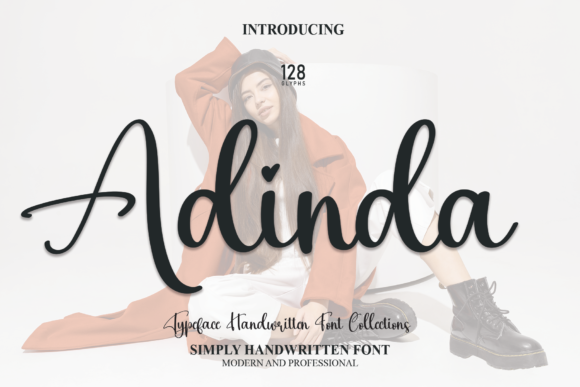
Adinda: The Handwritten Script That Feels Effortlessly Human
There’s something magnetic about a design that feels personal. In a world saturated with sterile, geometric fonts and overly polished branding, a touch of authenticity can stop a viewer in their scroll. This is where a typeface like Adinda enters the conversation. It’s not just another script font; it’s a visual representation of a freehand, human touch. Its random, fluid style carries an inherent warmth that sterile corporate fonts simply can't replicate, making it an invaluable tool for designers and creators seeking to inject soul into their work.
Capturing Authenticity in a Digital Space
Adinda’s charm lies in its classic yet simple handwritten aesthetic. The characters flow with a natural, slightly irregular rhythm, mimicking the genuine imperfections of actual handwriting. This isn't a font that screams for attention with wild swashes or overwhelming flourishes. Instead, it whispers with a confident, approachable elegance. This quality makes it incredibly versatile. It feels at home on a luxury candle label as it does on a indie band’s concert poster. The key is that it communicates human craftsmanship and personal connection, two values that resonate deeply with modern audiences.
For a small business owner, choosing a font is a foundational branding decision. Adinda offers a distinct personality. A bakery might use it for its logo to evoke homemade goodness. A boutique consultancy could employ it for headline accents to soften its corporate image. The font’s free style suggests creativity, spontaneity, and approachability—traits that can help a brand stand out in a crowded marketplace. It’s a premium font choice that doesn’t require a premium agency to implement effectively.
From Screen to Shelf: Where Adinda Truly Shines
The real test of any design asset is its application. Adinda proves its worth across a surprising range of projects, blending seamlessly into both digital and physical realms.
- Brand Identity & Logos: A logo set in Adinda instantly feels bespoke and approachable. It’s perfect for lifestyle brands, artisanal products, or any service where a personal touch is a key selling point. Pair it with a clean sans-serif for body text to maintain professionalism and readability.
- Packaging Design: Imagine Adinda on the label of a small-batch hot sauce, a craft soap wrapper, or a gourmet coffee bag. The handwritten style reinforces the product's artisanal quality and care, directly influencing perceived value on the shelf.
- Social Media & Content: In the fast-paced feed of Instagram or Pinterest, a script font like Adinda used for quotes, story headers, or promotional graphics can create a moment of pause. It adds a layer of personality that static, system-generated text lacks, boosting engagement for bloggers and content creators.
- Print & Editorial: Use it for chapter titles in a cookbook, headlines in a wedding magazine, or as a stylistic accent in a book cover design. It adds a dynamic, artistic flair that guides the reader’s eye and sets a specific mood.
- Digital Products & Marketing: From e-book covers to webinar title slides and email newsletter headers, Adinda helps create cohesive, visually appealing digital assets. It strengthens brand recognition across every touchpoint, making your marketing materials feel unified and thoughtfully designed.
Practical Wisdom for Using a Script Font
While Adinda is a powerful tool, using any script font effectively requires some strategic thinking. Here’s how to ensure it enhances, rather than hinders, your design goals.
Prioritize Readability: The most beautiful font fails if it can’t be read. Adinda’s style is relatively legible for a script, but always consider the context. It’s best suited for short bursts of text: headlines, logos, pull quotes, and accents. Avoid using it for long paragraphs or critical information like dates, times, or addresses where clarity is paramount. Always test your design at the actual size it will be viewed—a font that looks stunning on a large poster might become an illegible blur on a mobile screen.
Master the Art of Font Pairing: Adinda’s personality is strong, so it benefits greatly from a stable partner. A classic pairing strategy is to combine a expressive script with a neutral, highly readable sans-serif font or a timeless serif font. For example, use Adinda for a main headline and a font like Lato or Open Sans for the supporting text. This contrast creates visual hierarchy, ensures readability, and makes the script element pop without overwhelming the viewer.
Understand the Mood You're Setting: Every font carries an emotional weight. Adinda’s random and free style conveys creativity, friendliness, and approachability. Ask yourself if that aligns with your project’s goals. It’s a superb match for a yoga studio, a children’s book, or a wedding invitation suite. It might be less suitable for a law firm’s primary logo or a financial report, where stability and formality are key. The font should amplify your brand’s core message, not contradict it.
Licensing is Key for Commercial Projects: If you plan to use Adinda for a client project, merchandise, or any commercial endeavor, you must ensure you have the correct commercial license. Reputable font marketplaces provide clear licensing terms. Using a font without the proper license for commercial work is a common pitfall that can lead to legal issues. Treat your font library as you would any other professional design asset—invest in the right license for your needs.
A Tool for Visual Storytelling
Ultimately, typography is a form of visual storytelling. The fonts you choose are silent narrators, setting the tone before a single word is read. Adinda, with its classic handwritten script, tells a story of authenticity, creativity, and human connection. It’s a creative font that bridges the gap between digital precision and analog warmth.
Whether you’re a designer crafting a full brand identity, an entrepreneur building a new product line, or a hobbyist creating a personalized gift, Adinda offers a way to make your work feel distinctly yours. It’s a reminder that in design, sometimes the most powerful element is a touch of genuine, human imperfection. By applying it thoughtfully and pairing it wisely, you can leverage its unique personality to build stronger brand recognition, connect with your audience on a more personal level, and create designs that truly resonate.