Ballimore: The Handwritten Script for Authentic Branding
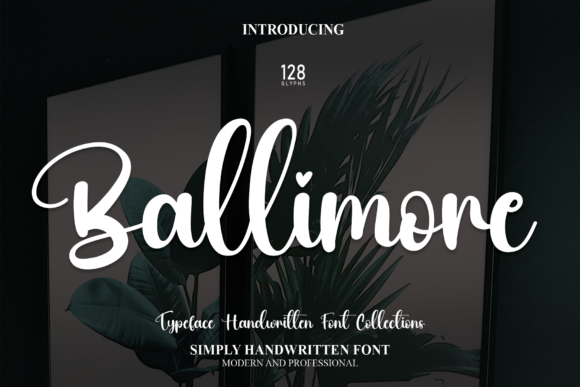
You know the feeling when you stumble upon a font that just clicks? That’s what happened the first time I opened Ballimore. It’s not trying to be overly polished or stiff—it’s a classic, simple handwritten script with a random, free-flowing style that feels genuinely human. If you’ve been searching for a typeface that brings warmth and personality without sacrificing clarity, this one deserves a spot on your shortlist.
What makes Ballimore visually appealing is its relaxed rhythm. The letters don’t sit in rigid alignment; they dance slightly, mimicking the natural inconsistencies of real handwriting. That subtle imperfection is exactly what gives it character. It avoids the overly formal look of some script fonts while steering clear of the chaotic vibe others can bring. The result is a balanced, approachable typeface that works across a surprising range of projects.
Where Ballimore Truly Shines
Think about the projects where authenticity matters most. Logo design is a prime example. A brand that wants to convey approachability—maybe a boutique coffee shop, a handmade skincare line, or an independent bookstore—can use Ballimore to create a mark that feels personal and memorable. It’s the kind of font that doesn’t just spell out a name; it tells a story.
Consider packaging design, too. On a product label, Ballimore can add that handcrafted touch, suggesting care and attention without looking amateurish. Pair it with a clean sans-serif for body text, and you’ve got a layout that’s both functional and full of personality. The same principle applies to merchandise—think tote bags, mugs, or apparel—where a single word or phrase in Ballimore can become a design feature in itself.
Social media graphics are another natural fit. Instagram posts, story highlights, YouTube thumbnails, or Pinterest pins often need a font that grabs attention quickly but feels friendly. Ballimore’s casual elegance makes it perfect for quotes, announcements, or calls to action. It’s readable at smaller sizes, which is crucial when users are scrolling quickly on their phones.
Pairing and Practicality
One of the most common questions I hear from clients and fellow designers is about font pairing. How do you combine a script like Ballimore with other typefaces without creating visual chaos? The key is contrast. Because Ballimore has a strong personality, it pairs best with something neutral and structured. A simple sans-serif like Montserrat or Lato works beautifully for body text, letting the handwritten script take center stage in headlines or logos.
For print materials—think wedding invitations, event posters, or editorial layouts in a magazine—Ballimore adds a touch of elegance without feeling stuffy. It’s versatile enough to work in both formal and casual contexts, depending on how you use it. A wedding invitation might use it for the couple’s names, while a music festival poster could feature it for the band lineup. The font adapts to the mood you set.
Readability is always a concern with script fonts, and rightly so. Ballimore strikes a good balance here. Its letterforms are distinct enough to read clearly in short to medium-length text blocks, though I’d avoid using it for long paragraphs. For headlines, logos, or pull quotes, it’s perfectly legible. Always test your designs at the actual size they’ll be viewed—what looks great on a 27-inch monitor might need adjustment for a mobile screen or a printed brochure.
Beyond Aesthetics: Building Brand Recognition
Consistency is the backbone of strong branding, and typography plays a huge role in that. When you choose a font like Ballimore for your brand identity, you’re not just picking a pretty typeface—you’re selecting a voice. Used consistently across your website, business cards, social media, and packaging, it becomes a recognizable element that ties everything together. Customers start to associate that handwritten style with your business, which strengthens recall and trust.
I’ve seen small businesses transform their visual presence simply by adopting a cohesive font strategy. A bakery using Ballimore for its menu, signage, and Instagram stories creates a unified experience that feels intentional. That kind of attention to detail signals professionalism, even if you’re a one-person operation working from your kitchen table.
For digital products—like e-books, online course materials, or downloadable templates—Ballimore can add a layer of sophistication that sets your work apart. It’s a premium font that doesn’t require a premium budget, making it accessible for entrepreneurs and creators who want high-quality design assets without breaking the bank.
Final Thoughts on Choosing Your Typeface
Selecting a font is a bit like choosing a business partner. It needs to align with your goals, resonate with your audience, and perform reliably across different contexts. Ballimore offers that rare combination of charm and versatility. It’s a creative font that feels personal yet professional, making it suitable for everything from a local artisan’s brand to a lifestyle blog’s visual identity.
Before you commit, take time to explore the font’s full range. Check what styles are included—does it come with alternates, ligatures, or multiple weights? These details can make a big difference in how flexible the font is for your projects. Also, review the licensing. If you’re using it for commercial work, ensure the license covers your intended use, whether that’s for client projects, merchandise, or digital products.
In the end, the best font is one that serves your project’s needs while connecting with your audience on a human level. Ballimore does exactly that. It’s not just another script font; it’s a tool for creating designs that feel authentic, engaging, and memorable. Give it a try—you might just find it’s the missing piece your next project has been waiting for.