Reaching Champion: A Typeface Built for Bold Victories
There’s a specific kind of energy you feel on the field just before the snap—the tension in the air, the grit required to push forward, and the raw athleticism needed to cross the goal line. Capturing that visceral feeling in a static medium like design is notoriously difficult, yet typography is often the unsung hero of visual storytelling. When you are building a brand that needs to project strength, determination, and a winning mindset, you need more than just a standard font file. You need a typeface that carries the weight of the game itself, one that doesn't just sit on the page but acts as a defensive line for your message.
For designers, marketers, and entrepreneurs working within the sports industry, fitness branding, or competitive sectors, the visual identity is the first play. A soft, rounded script might work for a bakery, but it falls flat when trying to sell athletic performance or team spirit. This is where specialized display typography steps in to fill the gap. It isn't just about legibility; it’s about attitude. The right letterforms can instantly communicate "champion" before the viewer has even read the headline, establishing an immediate emotional connection with the audience.
The Anatomy of a Winner
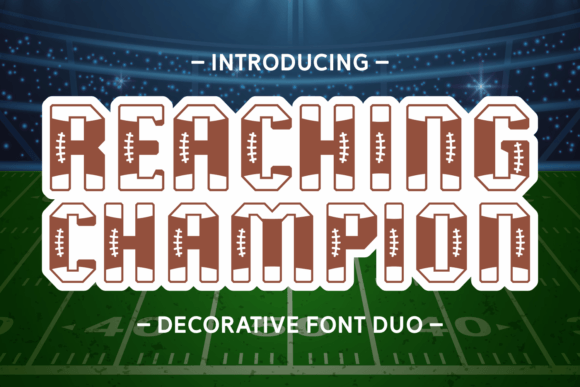
What separates a standard typeface from something like Reaching Champion is the deliberate construction of its anatomy. The letterforms themselves embody the raw power associated with American football. You can see this in the structural choices made by the type designer. The angles are aggressive, designed to mimic the forward momentum of a linebacker, while the curves suggest the agility required to dodge a tackle. It is a visual representation of the game's dynamic nature, where every stroke has a purpose and every serif has a stance.
When you look closely at the details, you realize this isn't just a blocky, heavy font. There is a nuance to the design. The attention to detail extends beyond the football motif to incorporate decorative elements that pay homage to the rich tradition of the sport. These aren't random swirls; they are intentional artistic flairs that infuse the font with a touch of sophistication. This balance is crucial for commercial applications. You want a font that looks tough and athletic, but you also need it to look expensive and premium. Whether it’s the way the crossbars are weighted or the subtle serifs that mimic the stitching of a leather ball, these details ensure that the typography feels authentic rather than cliché.
Tactical Applications for Modern Branding
Understanding the aesthetic is one thing; applying it effectively is another. The versatility of a premium font like this lies in its ability to adapt to various media without losing its core identity. For those in the trenches of branding and marketing, here is how you can deploy this typeface across your creative arsenal:
- Logo Design and Brand Identity: This is the primary territory for a bold display font. If you are launching a sports apparel line, a gym, or a local team, this typeface serves as the backbone of your visual identity. It creates an instant "badge" effect that fosters brand recognition.
- Packaging Design: In a crowded retail environment, shelf presence is everything. Using strong typography for product headers on packaging—whether it's protein powder, sports equipment, or even rugged outdoor gear—helps the product stand out as a serious contender.
- Merchandise and Apparel: T-shirts, hoodies, and caps rely heavily on typography that works well when silkscreened or embroidered. The bold nature of this style ensures that the design pops from a distance, making it ideal for fan merchandise.
- Editorial and Print Materials: Don't limit yourself to logos. Think about posters for the big game, event flyers, or magazine covers. A strong headline font grabs the reader's attention immediately, compelling them to read the rest of the content.
Furthermore, in the digital space, the impact is just as significant. Think about the "hero" section of a website. A massive, full-width header using Reaching Champion sets the tone for the entire user experience. Similarly, for social media graphics—particularly on platforms like Instagram or TikTok where visual impact must be instantaneous—using a high-impact typeface for quotes, announcements, or sale banners stops the scroll. It turns a standard post into a piece of marketing collateral that demands engagement.
Strategic Pairing and Readability
One of the most common mistakes in design is using a display font for body text. A typeface designed for raw power and athleticism is rarely optimized for long-form reading. This is where the concept of font pairing becomes your best strategic asset. Because Reaching Champion is so visually distinct, it creates a beautiful contrast when paired with a clean, neutral sans-serif or a simple serif font.
For example, if you are designing a website layout, you might use the display font for the
and headers to establish the brand voice. Then, switch to a highly legible sans-serif like Roboto, Open Sans, or Montserrat for the paragraph text. This hierarchy ensures that your design is visually exciting but remains readable and professional. It prevents the viewer from experiencing visual fatigue while still conveying the high-energy vibe of the brand.
When testing your pairings, look at the x-height and the weight contrast. You want the display font to stand out, but it shouldn't clash so violently with the body text that it looks disjointed. The goal is visual consistency. The display font handles the "emotion," while the body font handles the "information." This combination improves the professional presentation of your project, ensuring that whether the user is reading a blog post or scanning a brochure, the experience feels cohesive.
Technical Considerations for Commercial Success
For the entrepreneur or small business owner, the technical specs of a font are just as important as the look. When investing in a creative font for commercial use, you have to consider the licensing. A "free for personal use" license is a trap for commercial projects. To avoid legal headaches down the road, ensure you are purchasing a commercial license that covers your specific needs, whether that's for a single client or an unlimited number of projects.
Additionally, review the specific styles included in the font family. Does it come with different weights? Are there italic versions? Does it include alternative characters or ligatures? Having access to these variations allows for greater flexibility in your designs. You might want a lighter weight for subtitles and a heavier weight for the main punch. Checking for these features beforehand saves you time during the design process and allows for more nuanced typographic hierarchy.
Winning the Visual Game
Ultimately, choosing a typeface like Reaching Champion is about aligning your visual communication with your business goals. It is about acknowledging that in a competitive market, generic typography can make a brand invisible. By utilizing a font that embodies tradition, power, and sophistication, you are arming your project with a design asset that does more than just spell out words—it makes a statement.
Whether you are crafting the next big sports brand, designing a poster for a local tournament, or creating digital content that needs to hit hard, this approach to typography ensures your message is received with the weight it deserves. It’s not just about looking good; it’s about looking like a winner.