Finish: The Handwritten Script Font for Authentic Branding
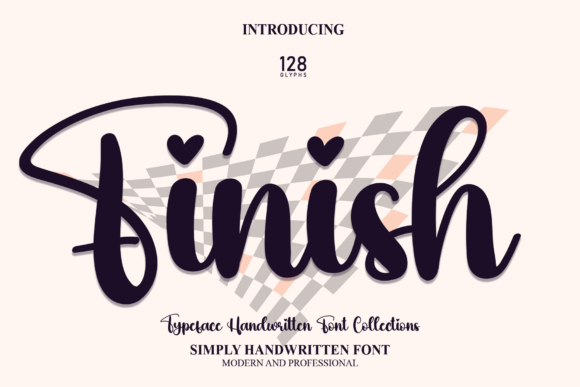
There’s a moment in every creative project when you need a typeface that feels less like a computer-generated set of letters and more like a personal mark. It’s the difference between a corporate memo and a handwritten thank-you note. That’s the space Finish inhabits. This classic handwritten script, with its random and free-flowing style, offers an immediate human touch. It’s not trying to be perfect, and that’s precisely its strength. For designers, entrepreneurs, and creators, it presents an opportunity to inject personality and warmth into a brand or project without saying a word.
More Than Just a Script: Understanding the Finish Aesthetic
At first glance, Finish might remind you of a quick note scribbled in a sketchbook or a signature dashed off with confidence. Its charm lies in its subtle irregularities—the slight variations in baseline, the organic flow between certain letter combinations, and the balanced contrast between thick and thin strokes. This isn’t a stiff, formal calligraphy font. It’s a premium font designed for modern typography applications where authenticity matters. The visual appeal comes from its versatility; it can feel casual and approachable for a coffee shop logo, yet elegant and artistic for a boutique wedding invitation. Its character set often includes stylistic alternates and ligatures, giving you the tools to customize the look and avoid that repetitive, digital feel that can plague other script fonts.
When you’re selecting a script font like Finish, you’re making a decision about the voice of your project. Does it need to whisper sophistication or shout with creative energy? Finish sits comfortably in the middle, offering a readable yet expressive voice. It’s a handwritten font that doesn’t sacrifice legibility for style, a common pitfall in its category. This balance is critical for real-world applications, from a logo that needs to be recognizable on a business card to a headline on a website that must be understood at a glance.
Practical Applications: Where Finish Truly Shines
Theory is one thing, but putting a font to work is another. The true test of a creative font is its adaptability across different mediums. Finish excels in scenarios where a personal, crafted feel is desired.
Brand Identity & Logo Design: For a small business, especially in the artisanal, food, wellness, or creative service sectors, a logo using Finish can become the cornerstone of the entire brand identity. It suggests that the product or service is made with care and individual attention. Pair it with a clean, neutral sans serif font for body text to create a beautiful and functional contrast that ensures your website copy and marketing materials remain easy to read.
Packaging & Merchandise: Imagine a Finish script gracing the label of a small-batch jam jar, the sleeve of a vinyl record, or the tag on a handcrafted garment. It instantly communicates quality and a story behind the product. This application extends to merchandise like tote bags, mugs, and t-shirts, where the font itself becomes a design element that fans and customers connect with.
Digital Presence & Social Media: In the fast-scrolling world of social media, a distinctive display font is invaluable. Use Finish for Instagram story headers, YouTube video thumbnails, or Pinterest graphics to create a consistent and recognizable visual style. On a website, it’s perfect for hero section headlines, author bios, or featured quotes, adding a layer of personality that standard web-safe fonts can’t match. Just be mindful of using it for long paragraphs; its strength is in short, impactful bursts.
Editorial & Print Design: Don’t overlook its power in traditional media. Finish can elevate the design of a magazine cover, a book chapter title, a restaurant menu, or a poster for a local music event. It brings a dynamic, artistic flair to editorial design and packaging design, making layouts feel more engaging and less templated.
Integrating Finish Into Your Design Workflow
Choosing a font is the first step. Using it effectively is the next. Here’s some practical advice for working with a display font like Finish.
First, always test font pairings. The goal is contrast and hierarchy. Finish pairs exceptionally well with geometric or humanist sans serif fonts (think Montserrat, Lato, or Open Sans). The clean lines of the sans serif provide a stable foundation for the expressive script. You might also pair it with a simple, sturdy serif font for a more classic, literary feel. Avoid pairing it with another overly decorative or script font, as this creates visual chaos and hinders readability.
Second, consider readability considerations at different scales. View your design at the intended size. Is the logo clear when it’s small? Is the headline still legible on a mobile screen? Finish’s design generally holds up well, but it’s your job to ensure the context supports it. For body text, always opt for a more readable font family.
Third, review the included font styles. Many premium fonts like Finish come with more than one weight or style—perhaps a regular, a bold, or an alternate set. Explore these options. The alternate characters can be the key to making your specific wordmark or headline look unique, breaking up repetitive letters like ‘t’ or ‘l’ for a more natural flow.
Finally, mind the commercial licensing. If you’re using Finish for a client project, a product for sale, or extensive marketing materials, ensure you have the correct license. This is a non-negotiable part of professional practice and protects both you and your client. Reputable font foundries make licensing terms clear, so take a moment to understand them.
Ultimately, a font like Finish is a tool for storytelling. It’s not just about making words look pretty; it’s about aligning your visual communication with your core message. Whether you’re building a brand from the ground up, refreshing a social media aesthetic, or designing a one-off event poster, the right typeface sets the emotional tone. Finish offers a pathway to that authentic, human connection that audiences instinctively respond to. It’s a design asset that, when used thoughtfully, can help transform a project from merely seen to genuinely felt.