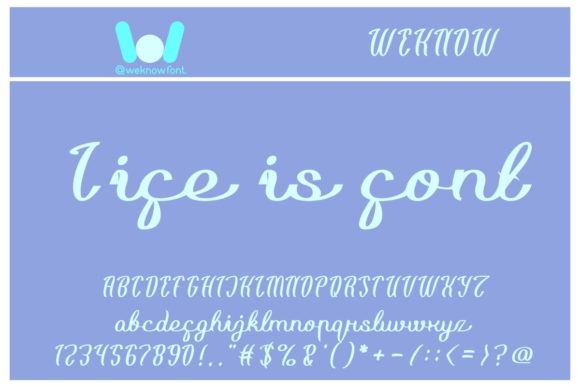
Life is Good: A Handwritten Font for Authentic Branding
You know the feeling when a design just clicks? It’s not just the colors or the layout—it’s the typography that carries the emotion. A handwritten font can instantly add warmth, personality, and a human touch that sterile, geometric typefaces often miss. That’s the space where the Life is font family thrives. It’s a cool, stylish, and versatile handwritten typeface designed to feel personal, yet polished enough for serious creative work. Whether you’re building a brand from scratch or refreshing your social media presence, this font brings a sense of authenticity that resonates with modern audiences.
More Than Just Letters: The Personality of a Handwritten Typeface
What sets Life is Good apart isn’t just its aesthetic—it’s the feeling it evokes. This isn’t a chaotic, messy script that sacrifices legibility for flair. It strikes a careful balance: the natural, flowing curves of handwriting with the consistency required for professional use. Each character feels intentionally crafted, with subtle variations that mimic the rhythm of actual writing. This makes it particularly effective for projects where you want to convey approachability, creativity, or a down-to-earth vibe. Think of a local bakery’s branding, a wellness blog’s header, or the title card for an indie film. The font communicates a story before a single word is read.
As a premium font, it typically includes a full set of characters—uppercase, lowercase, numbers, punctuation, and often stylistic alternates or ligatures. These extras are crucial for designers. Stylistic alternates allow you to swap out certain letters for different versions, helping you avoid repetitive shapes and giving your typography a more organic, custom feel. Ligatures connect specific letter pairs seamlessly, enhancing the natural flow. When exploring a creative font like this, always check the character map and preview all available glyphs. Understanding what’s included helps you leverage its full potential and avoid limitations mid-project.
Where Handwritten Fonts Truly Shine: Practical Applications
The applications for a versatile handwritten font are vast, but success lies in matching the font’s personality to the project’s goals. Life is excels in scenarios where connection and emotion are paramount.
For Brand Identity and Logo Design: A logo sets the first impression. Using this font for a brand name or tagline can instantly position a business as friendly, artisanal, or creative. Imagine it on a coffee shop’s menu, a boutique clothing label, or a personal trainer’s website. It pairs beautifully with a clean sans serif font for body text, creating a hierarchy that’s both engaging and easy to read. Remember, a logo must be versatile—test it at very small sizes (like a favicon) and very large sizes (like a billboard) to ensure the letterforms remain clear and distinctive.
For Social Media and Digital Content: In the fast-scrolling world of Instagram, YouTube, and TikTok, grabbing attention is everything. A stylish, handwritten title on a thumbnail, quote graphic, or story header can stop the scroll. It makes content feel more personal and relatable, which boosts engagement. For a cohesive social media graphics strategy, use the font consistently for key headlines while using a simpler serif font or sans serif for longer captions. This creates a recognizable visual language for your audience.
For Packaging and Merchandise: Physical products benefit immensely from thoughtful typography. This font is ideal for product names on packaging—think artisanal foods, cosmetics, or stationery. It can also elevate merchandise like t-shirts, tote bags, and mugs. The key here is ensuring the font style aligns with the product’s price point and target market. A playful, loose script might suit a fun, youthful brand, while a more refined, connected script could work for luxury goods. Always consider the material and printing method; some intricate details might get lost on textured fabrics or rough paper.
For Editorial and Print Design: Don’t limit it to digital. A handwritten font can add flair to editorial design in magazines, book covers, or chapter headings. It’s also perfect for invitations, greeting cards, and event posters. When used in print, pay close attention to kerning (the space between letters) and leading (line spacing). Handwritten fonts often require more generous spacing to maintain readability, especially in longer blocks of text.
Making It Work: Font Pairing and Readability Tips
A beautiful font can fall flat if it’s not implemented thoughtfully. The most common mistake with expressive fonts like Life is is using them for large paragraphs of text. Their strength is in headlines, logos, and short phrases. For body copy, always pair it with a highly legible typeface—a simple sans serif (like Open Sans or Lato) or a classic serif (like Georgia or Lora) is usually a safe bet. The contrast between the expressive header and the neutral body text creates visual interest without sacrificing readability.
Before finalizing your design, conduct a quick legibility test. Step back from the screen or print a sample. Can you read the words instantly from a distance? Are any letter combinations confusing? For example, handwritten fonts can sometimes make “a” and “o” or “l” and “i” look similar. If you’re using it for a critical call-to-action or important information, clarity is non-negotiable.
Also, consider the emotional tone of your font pairing. A rugged, textured handwritten font might pair well with a bold, industrial sans serif for a music festival poster. Conversely, a delicate, flowing script could complement an elegant serif for a wedding invitation. The goal is harmony, not competition.
A Smart Addition to Your Design Toolkit
Investing in a quality commercial font is investing in your brand’s visual equity. A font like Life is Good isn’t just a one-trick pony; its range of styles (perhaps including regular, bold, italic, or swash versions) makes it adaptable across multiple projects. This consistency is a cornerstone of strong brand identity. When your logo, website, social media, and print materials all share a cohesive typographic voice, you build recognition and trust.
As you integrate it into your workflow, explore its full character set. Experiment with the alternates in Adobe Illustrator or your design software of choice. Create a style guide for your project that specifies how and where the font should be used. This practice ensures that whether you’re designing a web design header, a podcast cover, or a packaging label, the result feels unified and professional.
Ultimately, typography is a silent ambassador for your message. Choosing a font that aligns with your project’s soul—whether it’s the warmth of Life is or another style—can transform good design into great communication. It’s about finding that perfect match where form and function meet, creating an experience that feels both beautiful and genuinely human.