Script Thing: The Handwritten Font That Feels Like Your Brand's Best Friend
There's a moment in every creative project where you realize the font you've chosen isn't just a set of letters—it's the handshake, the first impression, the unspoken promise of what's to come. If you've been searching for a typeface that carries warmth without sacrificing professionalism, that feels personal yet polished, you might have just found it in Script Thing. This isn't another generic script font trying to mimic cursive from a bygone era. It's a deliberately crafted, adaptable handwritten font designed for the realities of modern design work, where a single typeface might need to live on a wedding invitation one day and a product label the next.
More Than Just Pretty Curves: Understanding Script Thing's Visual DNA
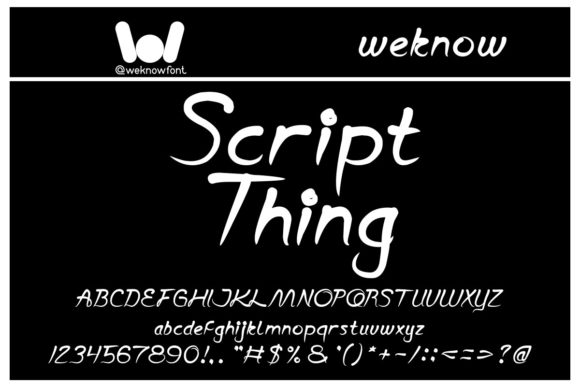
At first glance, Script Thing impresses with its gentle, approachable character. The letterforms have a natural, hand-lettered quality that avoids looking overly rigid or artificially perfect. This is key—its slight irregularities and balanced flow create a sense of authenticity that resonates with audiences tired of sterile, corporate aesthetics. But what makes it a truly useful tool is its adaptability. It functions beautifully as a headline font, grabbing attention with its distinctive personality, yet it maintains enough clarity to be used in shorter blocks of text where a touch of elegance is needed. Think of it as the "smart casual" of typography: appropriate for a wide range of settings because it strikes a careful balance between expressive and functional.
Its design leans into a modern handwritten style, avoiding the overly ornate or overly simplistic pitfalls that date many script fonts. This contemporary feel is what allows it to bridge the gap between different project types. You can pair it with a clean sans serif font for a tech startup's website, or with a classic serif for a boutique hotel's brochure, and it will adapt its personality to complement rather than clash.
Where Your Project Comes to Life: Practical Applications
Let's move beyond theory. Where does Script Thing actually shine? Its strength lies in its versatility across both digital and physical realms. For brand identity, it can become the cornerstone of a logo for a artisanal bakery, a independent consultancy, or a lifestyle brand, instantly conveying approachability and craft. In packaging design, it can make a product feel handmade and premium, whether it's on a bottle of cold-brew coffee, a jar of candle wax, or a box of organic skincare.
The digital space is where it truly excels. For social media graphics, it cuts through the noise with its personal touch—perfect for quote cards, promotional announcements, or story highlights that need to feel authentic. On a website or blog, it can be used strategically for headers, pull quotes, or call-to-action buttons to guide the reader's eye and inject brand personality without compromising readability. Content creators on YouTube or Instagram will find it invaluable for thumbnails and title cards that need to feel engaging and human.
For print and editorial, its applications are equally broad. It's a natural fit for poster design, music album artwork, magazine mastheads, book covers, and comic titles. In the world of merchandise, it can adorn t-shirts, tote bags, and mugs, creating designs that feel personal and unique. It also solves the eternal challenge of invitations and stationery, where you need a font that feels special and celebratory, yet remains legible for all your guests.
Building a Cohesive Visual Language
One of the most significant challenges in design is maintaining visual consistency across all touchpoints. A font like Script Thing can become a unifying thread. When used consistently across your logo, website headers, email newsletters, and social media templates, it creates immediate brand recognition. Your audience starts to associate that friendly, handwritten style with your specific voice and values. This consistency builds trust and makes your brand feel more established and intentional, even if you're a solo entrepreneur or a small team.
However, wielding a display or script font effectively requires a thoughtful approach. The primary consideration is always readability. While Script Thing is designed for clarity, it's best used for headlines, short phrases, and accent text rather than long paragraphs. Pair it with a highly legible sans serif or serif font for body copy. This contrast not only ensures your message is understood but also creates a dynamic visual hierarchy that makes your layouts more engaging and easier to navigate.
A Practical Guide to Using Script Thing in Your Workflow
Before you commit, take the time to explore the font family. A premium font like this often includes multiple styles—perhaps a regular weight, a bold, and alternates or ligatures that give you more creative control. Test these variations within your actual project files. How does the bold hold up on a dark background? Do the alternates provide a better flow for a specific word in your logo?
Next, master the art of font pairing. A great exercise is to place a word set in Script Thing alongside several different body fonts: a geometric sans serif for a modern tech feel, a humanist sans for a friendly vibe, or a transitional serif for a more traditional elegance. See which pairing aligns best with your project's goals and audience expectations. Tools like font preview websites or design software can help you test these combinations quickly.
Finally, don't overlook the practicalities. If you're using Script Thing for commercial work—which includes anything from a client's logo to merchandise for sale—ensure you have the correct commercial license. Reputable font foundries provide clear licensing terms that cover various uses, giving you peace of mind as your projects grow. Treating fonts as essential design assets and respecting their licensing is a hallmark of a professional creative.
In the end, choosing a font is about finding a voice for your project. Script Thing offers a voice that is warm, contemporary, and remarkably versatile. It doesn't just sit on the page; it communicates. By understanding its strengths and applying it with strategic intention, you can elevate your designs from simply looking good to feeling right, creating that crucial emotional connection with your audience that every brand, creator, and designer strives for.