Mayla: The Handwritten Font That Feels Like a Warm Hug
There's something undeniably magnetic about a font that feels human. In a world saturated with sterile, geometric typefaces, a script that carries the gentle imperfections of a real hand can stop a scrolling thumb, soften a corporate message, or make a product feel like it was crafted just for you. Mayla is that kind of font. It’s not just a collection of letters; it’s a mood. Warm, romantic, and effortlessly cheerful, it carries a personality that can transform a simple project into something that feels genuinely personal and artistic.
Understanding the Personality Behind the Curves
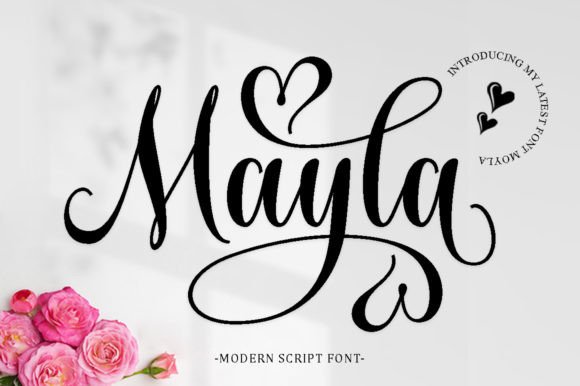
Mayla belongs to the family of handwritten fonts, but it’s far from a casual, messy scrawl. Its design strikes a beautiful balance—it has the relaxed, flowing rhythm of natural handwriting, yet each letterform is crafted with enough clarity to remain highly legible. This is a crucial distinction. Many script fonts sacrifice readability for style, but Mayla maintains its charm without becoming a puzzle to decode. The strokes have a consistent, medium weight, giving it a friendly and approachable feel without being too thin or too bold. It’s the typographic equivalent of a confident, friendly smile.
What makes it particularly versatile is its subtle flexibility. Depending on the context and the colors you pair it with, Mayla can lean into different facets of its personality. Set it in a soft blush pink, and it whispers romance—perfect for a wedding invitation. Use it in a bold, earthy terracotta, and it feels grounded and artisanal, ideal for a bakery’s brand identity. This chameleon-like quality is what separates a good premium font from a great one. It doesn’t impose a single story; it helps you tell yours.
Where Mayla Truly Shines: Real-World Applications
Theory is nice, but practicality is everything. Let’s break down exactly where this creative font can make a tangible difference in your projects, moving from the digital realm to the physical.
For Branding and Logo Design: If your brand’s voice is friendly, approachable, creative, or luxurious (in a soft way), Mayla can be a cornerstone of your brand identity. Imagine it used for a boutique hotel’s logo, a florist’s shop sign, or the wordmark for a handmade jewelry line. It instantly communicates care, personality, and a human touch. However, a pro tip: for logos, always ensure you have the correct commercial font license for the scale of your use, and consider if a simpler sans serif font might be needed for secondary text like taglines or web addresses to ensure maximum clarity.
Packaging and Print Materials: This is where Mayla’s warmth can drive sales. Think of the label on a artisan coffee bag, the header on a cosmetic box, or the thank-you note inside an e-commerce order. It adds a layer of perceived value and care. On posters and invitations, it can be used for headlines to draw the eye, paired with a clean serif or sans-serif for the detailed information. The key is to use it strategically—it’s a display font meant for impact, not for long paragraphs of body copy in a manual.
Digital Presence and Social Media: Your website and social feeds are often the first point of contact. Using Mayla for section headings on your web design, for quote graphics on Instagram, or for the title of your blog can break the monotony of standard web fonts. It adds a personal voice to your digital products, like e-book covers or online course materials. For social media graphics, its cheerful vibe is perfect for creating engaging, shareable content that feels less like an ad and more like a message from a friend.
Making It Work: Practical Tips for Pairing and Presentation
Finding a beautiful font is step one. Knowing how to use it effectively is what separates amateurs from professionals. Here’s how to integrate Mayla without a hitch.
Master the Art of Font Pairing: Never use Mayla alone for a complete design. Its strength is in contrast. Pair it with a sturdy, neutral serif font for a classic, elegant look—think a wedding program or a high-end product brochure. Pair it with a geometric sans serif font for a modern, clean, and slightly playful aesthetic, perfect for a tech startup with a friendly face or a contemporary blog. The rule of thumb: let Mayla own the headlines and large, impactful text. Let its partner handle the readable, smaller body text.
Respect the Hierarchy and Readability: Because it’s a handwritten font, all-caps settings can be hard to read and lose their casual charm. Stick to its natural, mixed-case form. Also, be mindful of size. While it’s legible, at very small sizes (like under 14pt), its details can get lost. Always do a print test or a mobile view test. Ask yourself: “Can my target audience, maybe someone over 40, read this easily on a phone screen?” If not, bump up the size or save it for a larger, more impactful role.
Explore the Included Styles: Often, a well-designed typeface like Mayla comes with more than just the base style. Check if it includes stylistic alternates (different versions of certain letters), ligatures (special connected letter pairs), or multiple weights. These features are gold for customization. A stylistic alternate can change the entire feel of a word, allowing you to tailor it perfectly to your logo design or headline. Using these features is what makes your design look intentional and bespoke.
The Final Thought: Choosing a Font That Serves Your Story
Ultimately, typography is a silent ambassador for your message. The right font doesn’t just look good; it feels right. It aligns with the emotion you want to evoke and the audience you want to attract. Mayla, with its inherent warmth and cheerful flexibility, is a powerful tool for anyone looking to inject a dose of humanity and approachability into their work. It’s not about following a trend—it’s about choosing a design asset that authentically supports your project’s goals, whether you’re building a brand from the ground up or adding a personal touch to a heartfelt invitation. The best modern typography choices are those that feel invisible, seamlessly carrying your story forward. Take the time to test it, pair it thoughtfully, and let its natural charm do the talking.