Samurai Blade: A Script Font That Cuts Through the Noise
You know the feeling. You’re scrolling through a sea of logos on Instagram, or flipping through a magazine, and suddenly one design just stops you. It’s not always the craziest illustration or the boldest color; often, it’s the typography. There’s a certain flow, a personality that grabs you and says, “This brand gets it.” That’s the kind of magnetic pull a well-chosen script font can create. It’s not just about legibility—it’s about emotion, story, and instant recognition. If you’ve been hunting for that perfect blend of elegance and energy for your next project, a typeface like Samurai Blade might just be the tool you’ve been missing.
More Than Just Swirly Letters: The Anatomy of a Dynamic Script
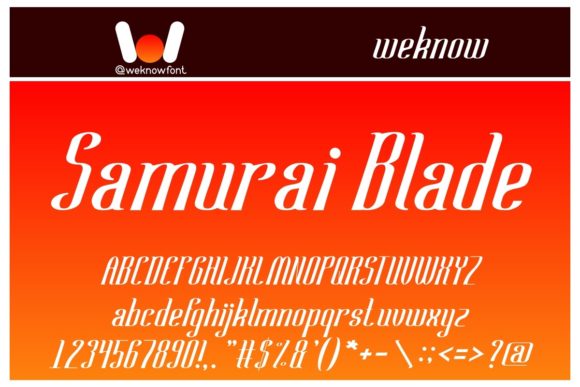
At first glance, Samurai Blade presents itself as a fancy, well-balanced script font. But let’s unpack what that really means for you as a designer or brand builder. “Fancy” often gets a bad rap, suggesting something overly ornate or difficult to use. Here, think of it as refined character. The letterforms have a graceful, fluid motion, reminiscent of a calligrapher’s confident stroke, yet they’re crafted with a modern sensibility. There’s an inherent movement in the baselines and connections, giving your text a sense of life and handcrafted authenticity.
The “well-balanced” part is crucial, and it’s what separates a premium font from a gimmick. Each character, from the looping ‘y’ to the cross of the ‘t’, is designed to sit harmoniously next to its neighbor. This means you get the organic, handwritten feel without the common headaches of awkward spacing or clashing forms. It’s this balance that makes it surprisingly versatile. You can use it for a single, powerful word in a logo, or set a short, impactful headline without worrying that the overall shape will look messy or unprofessional.
Where a Blade Like This Truly Shines: From Apparel to Albums
The real test of any creative font is how it performs in the wild. Samurai Blade’s style makes it a natural fit for projects where personality and visual impact are paramount. Imagine it on the label of a craft coffee bag—the script conveys artisanal quality and care. Picture it as the masthead for a boutique clothing brand; it instantly communicates a sense of curated style and movement, perfect for the apparel industry. For music artists, this font could define an album cover or tour poster, capturing a vibe that’s both edgy and elegant.
But its applications stretch far beyond these obvious fits. Think about the digital space. A YouTube channel focused on cooking, travel, or DIY crafts could use Samurai Blade in its banner and thumbnails to create a cohesive, inviting brand identity that stands out in a crowded feed. On Instagram, it’s perfect for creating stylish quote graphics, story highlights, or promotional posts that look polished and intentional. For bloggers and content creators, using this script font for section headers or pull quotes can break up text beautifully, adding a layer of visual interest that keeps readers engaged.
Building a Recognizable Brand Identity, One Letter at a Time
Consistency is the bedrock of brand recognition. When your audience sees the same visual language across your website, packaging, social media, and print materials, they start to build a mental shortcut to who you are. Choosing a distinctive typeface like Samurai Blade for your primary logo or headline font is a powerful way to establish that consistency. Its unique personality becomes synonymous with your brand’s voice.
However, a single font rarely carries an entire brand. The magic often happens in the pairing. A flowing script like this works incredibly well when anchored by a clean, simple sans-serif font for body text. The contrast creates a clear visual hierarchy: the script draws the eye and conveys emotion, while the sans-serif ensures readability for longer paragraphs. Try pairing Samurai Blade with a neutral sans-serif like Montserrat or Lato for your website copy or brochure text. Test it out. See how the elegant curves of the script play against the geometric simplicity of the sans-serif. This kind of thoughtful font pairing elevates your design from looking homemade to professionally curated.
A Practical Checklist for Using Script Fonts Effectively
Before you dive in and set your entire business card in Samurai Blade, a little strategic thinking goes a long way. First, always consider your context. A script font is fantastic for headlines, logos, and short bursts of text that need personality, but it’s generally not the best choice for an entire paragraph of body copy, especially at small sizes on screens. Readability is key.
Next, explore the full package. A quality commercial font often comes with more than just the basic letters. Check if Samurai Blade includes stylistic alternates—different versions of certain characters that you can swap in for a more custom look. Does it have a full set of punctuation, numbers, and multilingual characters? These details matter for professional, global-ready projects.
Finally, and this is non-negotiable for any commercial project, understand the license. If you’re using this font for a client’s logo, on merchandise for sale, or in a digital product you plan to distribute, you need to ensure you have the correct commercial license. This protects you legally and ensures the font designer is fairly compensated for their work, allowing them to continue creating great design assets for everyone.
Ultimately, a typeface like Samurai Blade is a tool for storytelling. It’s not just a collection of letters; it’s a vessel for mood and meaning. Whether you’re crafting a brand identity for a new startup, designing a poster for a local event, or simply looking to add a dash of professional flair to your personal blog, the right script font can be the element that transforms a good design into one that truly connects and resonates. It’s about finding that visual voice that feels authentic to your project and speaks directly to your intended audience.