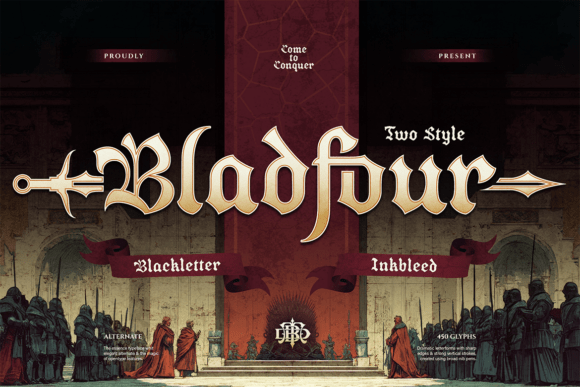
Devonxa: Where Medieval Grit Meets Modern Edge
There's a particular kind of visual statement that demands attention without apology. It's the look you see on a black metal album cover, the logo of an underground streetwear brand, or the title card for a gritty fantasy game. It carries weight, history, and a raw, unfiltered energy. If you've been searching for a typeface that channels this powerful aesthetic with contemporary clarity, Devonxa is a font that deserves your serious consideration. It’s not just another blackletter revival; it’s a carefully crafted tool for designers who need to make a bold, unforgettable impression.
A Typeface with a Tale to Tell
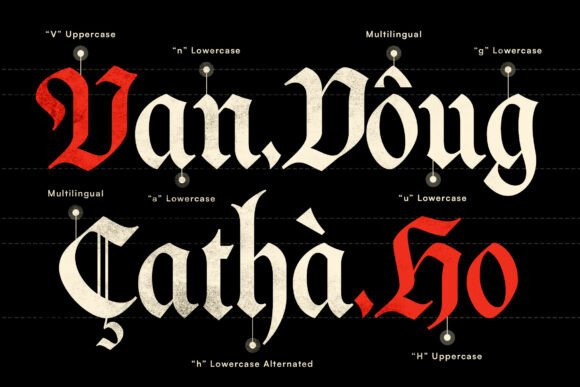
At its core, Devonxa is a modern Gothic blackletter typeface. This means it draws inspiration from the dense, ornamental scripts of the medieval period—the kind you’d see in old manuscripts or carved into cathedral stones. But where traditional blackletter can sometimes feel illegible or overly decorative, Devonxa has been streamlined. The strokes are sharp and angular, the letterforms are dramatic yet structured, and the overall feel is one of controlled power. It bridges the gap between the raw, historical vibe of Old English and the clean, impactful needs of today’s digital and print design.
This duality is what makes it so versatile. It doesn’t feel like a costume or a historical reenactment. Instead, it feels authentic and relevant, whether you’re designing a logo for a craft brewery with a dark, gothic theme or creating social media graphics for a podcast about true crime and mystery. The font’s personality is intense, confident, and unapologetically bold, making it a prime choice for projects that need to stand out in a crowded visual landscape.
Putting Devonxa to Work: Real-World Applications
Theory is nice, but practical use is what matters. Where exactly does a premium font like this shine? Let’s break down some concrete scenarios where Devonxa can solve design problems and elevate your work.
For Brand Identity and Logo Design: This is Devonxa’s sweet spot. A logo set in this typeface instantly communicates a brand’s values: strength, tradition with a twist, and a certain edgy authenticity. Think about a band logo that needs to look good on a t-shirt, a poster, and a tiny favicon. Devonxa’s strong lines ensure it remains recognizable at various sizes. It’s perfect for brands in the music industry (especially metal, punk, and hardcore), gaming, extreme sports, or any niche that embraces a darker, more rebellious aesthetic.
For Editorial and Packaging Design: Imagine the title of a fantasy novel, a horror magazine cover, or the label on a bottle of artisanal hot sauce with a “hellfire” theme. Devonxa provides the perfect display typography to hook a reader or customer from a distance. It sets the mood immediately. In packaging, especially for products like whiskey, craft beer, or specialty coffee with bold branding, using this font for the product name can create a shelf presence that competitors can’t ignore.
For Digital Presence and Marketing: Your website’s hero section, your YouTube channel banner, or the cover image for a new Spotify playlist—these are all prime real estate for a powerful display font. Using Devonxa for a headline on a landing page can dramatically increase engagement. It tells visitors exactly what kind of experience they’re in for. Similarly, in social media graphics, where you have mere seconds to catch a scrolling thumb, a bold, unique typeface can be the difference between being ignored and being saved or shared.
Making It Work: Practical Font Advice
Choosing a creative font is just the first step. Using it effectively is where the real skill comes in. Here are some practical tips for integrating a typeface like Devonxa into your projects without sacrificing readability or professionalism.
Pairing is Everything: A display font as strong as Devonxa should rarely be used for body text. Its power lies in headlines, logos, and short bursts of text. The key is to find a complementary partner. A clean, simple sans-serif font (like Helvetica, Futura, or a modern geometric sans) makes an excellent companion for subheadings and body copy. The contrast allows Devonxa to command attention for key messages while the sans-serif ensures the supporting text is easy to read. You could also explore a simple, sturdy serif font for a slightly more classic, editorial feel.
Mind the Context and Readability: Always consider your audience and medium. While Devonxa is designed for clarity, its blackletter roots mean it’s best used for short, impactful phrases. Setting an entire paragraph in it would be challenging to read. Test it at the actual size it will be viewed. A logo for a website header has different requirements than a title for a poster viewed from ten feet away. Ensure the letter spacing (tracking) works well; sometimes a tiny bit of extra space can improve legibility without losing the font’s character.
Explore the Full Toolkit: A quality premium font often comes with more than just the basic alphabet. Check if Devonxa includes stylistic alternates, ligatures, or multiple weights. These features are invaluable for logo design, allowing you to customize the look of specific letters to create a truly unique wordmark. Understanding what’s in your font package gives you more creative control.
Licensing Matters: If you’re using this for a commercial project—a client’s logo, merchandise for sale, or a published book—you must ensure you have the correct commercial font license. Most reputable font foundries offer clear licensing tiers. Respecting this not only keeps you legally covered but also supports the independent designers who create these valuable design assets.
Beyond the Font: Building a Visual Language
Ultimately, a typeface is a single instrument in your design orchestra. Devonxa is a powerful lead guitar, but it needs a solid rhythm section. When you choose a font with such a strong personality, you’re making a decision about your project’s entire visual identity. It should align with your color palette, your imagery, and your overall brand voice.
Consider how it interacts with your other design elements. Does the angularity of Devonxa complement the shapes in your logo? Does the mood it evokes match the tone of your website copy? Using it consistently across your brand identity—from your business cards to your email newsletters—builds recognition and reinforces the message you want to send. It’s not just about looking cool; it’s about communicating effectively and memorably.
In a world of safe, ubiquitous fonts, choosing a typeface like Devonxa is a deliberate choice to stand apart. It’s for the designer who understands that typography is storytelling, the entrepreneur who wants their brand to have a distinct voice, and the creator who isn’t afraid to embrace a bit of dark aesthetics. It’s a tool that, when used with intention, can transform a good project into one that resonates deeply and leaves a lasting mark.