Guitar Electric Font: Unleashing Handwritten Energy
There is a specific kind of energy in the world of design that refuses to sit still. It is the scratch of a pen on a napkin, the raw edge of a sketch, and the immediate connection of something made by hand. In a digital landscape often dominated by geometric precision and sterile sans-serifs, finding a typeface that captures that raw, human element can be a game-changer. If you are working on a project that demands personality, grit, and a touch of rebellion, you have likely found yourself scrolling through endless libraries of options, searching for that one font that just "gets it." That search often ends when you stumble upon a style that feels less like a computer-generated file and more like a piece of art.
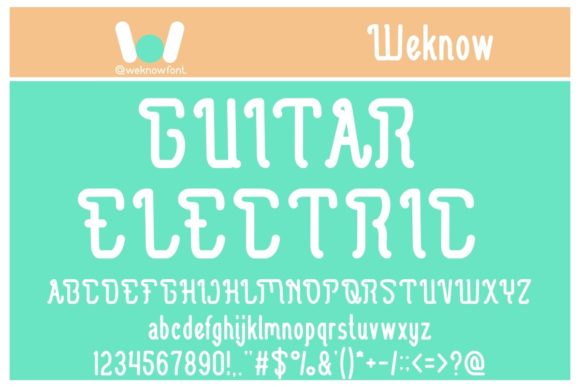
Enter Guitar Electric. This is not just another addition to the vast library of premium fonts; it is a statement piece. As a fancy and quirky handwritten font, it strikes a rare balance between legibility and artistic flair. It carries the weight of a display font but moves with the fluidity of a script font, making it an incredibly versatile tool for anyone involved in visual communication. Whether you are a brand strategist looking to inject some soul into a corporate identity or a content creator needing a thumbnail that pops, understanding how to wield a typeface like this can fundamentally shift the success of your design projects.
Visualizing the Vibe: More Than Just Script
When we talk about modern typography, we often categorize things rigidly: serif font for tradition, sans serif font for clarity, and script font for elegance. Guitar Electric disrupts these categories. It is best described as a creative font with a distinct "rock and roll" attitude, though its application extends far beyond the music industry. The visual characteristics of this typeface are defined by its irregular baselines and exaggerated swashes. It mimics the inconsistencies of natural handwriting, which brings an immediate warmth and authenticity to the screen or page.
For those in the apparel industry, this aesthetic is crucial. Imagine a streetwear brand or a vintage clothing line; the typography needs to feel worn-in and real. A rigid, corporate typeface would feel out of place on a graphic tee or a hoodie. However, the organic flow of a handwritten font like Guitar Electric communicates authenticity. It suggests that the brand has a story, a personality, and a human behind the logo design. This visual shorthand is powerful—it tells the audience that this brand is approachable, creative, and perhaps a little bit edgy.
Practical Applications: From Brand Identity to Social Media
The true test of a commercial font lies in its versatility. You might fall in love with a typeface on a font specimen sheet, but the real question is: does it work in the real world? For designers and entrepreneurs, the utility of a font determines its value. Guitar Electric excels in environments where you need to grab attention quickly. This makes it an exceptional choice for headline font usage. On a magazine cover or a book jacket, a bold, handwritten title creates immediate intrigue. It breaks the monotony of standard editorial design and invites the reader to look closer.
In the realm of packaging design, readability and shelf appeal are paramount. Consider a craft coffee brand, an artisanal brewery, or a line of organic cosmetics. These products often rely on a "small-batch" aesthetic to justify their premium positioning. Using a quirky typeface for the product name can elevate the perceived value of the item. It turns a simple label into a piece of branding that customers are proud to display on their shelves or share on Instagram. This is where the font becomes a marketing asset, doing the heavy lifting of visual storytelling without a single line of copy.
Enhancing Digital Presence and Engagement
For the digital marketer or YouTuber, the challenge is different: stopping the scroll. We live in an era of infinite content, and the first second of engagement is visual. A thumbnail for a YouTube video or a header image for a blog post needs to stand out in a crowded feed. A distinctive display font is your best weapon here. The curves and energy of Guitar Electric can convey emotion—excitement, urgency, or whimsy—far better than a standard web font. It helps in creating a cohesive visual identity across platforms, ensuring that your content is recognizable before the user even reads the text.
Furthermore, this style of typography is a secret weapon for social media graphics. Platforms like Instagram and Pinterest are highly visual, and static text often gets ignored. By incorporating a handwritten style into your quotes, announcements, or calls to action, you mimic the look of a personal note. This subtly encourages engagement because it feels less like an advertisement and more like a conversation. For web design, it can be used sparingly for specific call-to-action buttons or section headers to break up the monotony of long-form text, guiding the user’s eye exactly where you want it to go.
Strategic Pairing and Readability Considerations
One of the most common mistakes in using a premium font like this is overdoing it. Because Guitar Electric is a fancy and quirky typeface, it has a strong personality. If you use it for body text, you risk making your content unreadable. The golden rule of typography applies here: contrast is king. To maintain a professional presentation, you must pair this expressive handwritten font with something grounded and simple.
A clean sans serif font is usually the perfect partner. The geometric simplicity of a sans serif allows the quirky details of the headline font to shine without creating visual chaos. For example, imagine a poster where the main title screams in the wild energy of Guitar Electric, but the details—dates, times, and locations—are set in a clean, legible Helvetica or Open Sans. This hierarchy ensures that the design is both beautiful and functional. It helps improve readability while maintaining that high-energy brand identity.
When testing your font pairings, consider the context of the viewing. Will this be seen on a mobile phone screen? If so, the swashes of the handwritten font need to be distinct enough not to blur together at small sizes. Will it be printed on a billboard? In that case, the imperfections of the font become charming details that add texture to the massive scale. Always mock up your designs in real-world scenarios. Place the logo on a business card, a website header, and a t-shirt. This practical testing phase is where you discover if the typeface truly serves the project's goals.
Licensing and The Value of Commercial Assets
For freelancers and agency owners, the technical side of design assets cannot be ignored. When selecting a font for a client's brand identity, you must ensure that the licensing covers the intended usage. A "free for personal use" license is insufficient for commercial work. Investing in a properly licensed commercial font like Guitar Electric is not just about legality; it is about quality and support. Premium fonts are meticulously crafted with attention to kerning (the spacing between letters) and often include multiple styles or alternates that allow for custom lettering effects.
This level of detail is what separates amateur designs from professional work. When a client sees their logo, they might not know the technical terms, but they can feel the difference between a cheap, poorly spaced font and a well-crafted typeface. It communicates competence and attention to detail. By utilizing high-quality design assets, you are effectively future-proofing the brand identity you are building, ensuring it looks just as good on a billboard in five years as it does on a business card today.
Ultimately, typography is the voice of your design. Choosing a typeface like Guitar Electric is a deliberate choice to be loud, expressive, and memorable. It is a tool for creators who are not afraid to break the mold and bring a little bit of that raw, handwritten energy into their professional lives. Whether you are designing a movie poster, launching a new clothing brand, or simply looking to make your next social media post pop, this font offers a distinct path to standing out.