Crafting Visual Narratives with the Story Telling Font
Every brand, every project, every social media post tells a story. The visual language you choose—the colors, the imagery, and especially the typography—is the narrator's voice. A script font like Story Telling doesn't just display words; it infuses them with personality, emotion, and a sense of human touch that can transform a simple message into a memorable experience. In a world saturated with clean, geometric sans-serifs, opting for a font with character can be the strategic decision that makes your design feel authentic and engaging.
Understanding the Font's Personality and Visual Appeal
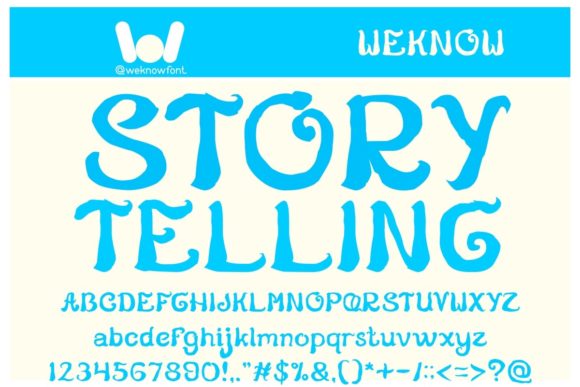
Story Telling is a cool script font, a category that includes both formal and casual styles. Its visual appeal lies in its balanced flow—neither too ornate nor too simplistic. The letterforms often feature subtle connections, gentle curves, and a rhythm that mimics natural handwriting without sacrificing legibility. This makes it a versatile display font that commands attention in headlines and logos while maintaining a warm, approachable feel. It bridges the gap between the elegance of a serif font and the casualness of a handwritten font, offering a unique middle ground that feels both professional and personal.
What sets it apart from a standard script font is its adaptability. It can lean into a modern typography aesthetic when paired with clean lines and minimal design, or it can embrace a more classic, editorial vibe when used with textured backgrounds and complementary serif or sans serif companions. This inherent flexibility is its greatest strength, allowing it to serve as a foundational creative font for a wide array of projects.
Practical Applications: Where This Script Font Shines
Let's move beyond theory and look at where a font like Story Telling delivers real value. Its utility spans digital and physical realms, making it a valuable design asset in any creator's toolkit.
For Branding and Logo Design: Your logo is the cornerstone of your brand identity. A script font can convey specific brand values—craftsmanship, luxury, playfulness, or tradition—instantly. Story Telling is particularly effective for brands in the lifestyle, boutique, artisan, food, or creative service sectors. Imagine it on a coffee shop's logo, a wedding planner's business card, or a boutique clothing label's hang tag. It immediately communicates a level of care and personality that a generic font cannot.
For Digital and Social Media: In the fast-scroll environment of Instagram, YouTube thumbnails, or website banners, you have seconds to capture interest. Using Story Telling for headlines, quotes, or key calls-to-action in social media graphics can create a focal point that stops the scroll. It adds a dynamic, human element to your feed, making your content feel more curated and intentional. On a website, it works beautifully for hero section headlines, author names on a blog, or special announcement banners, adding a layer of sophistication to your web design.
For Print and Editorial Layouts: The font's strength isn't limited to screens. It's excellent for editorial design—think magazine feature titles, pull quotes, or chapter headings in a book. For packaging design, it can make a product name on a label stand out on a crowded shelf, telling a story of quality and origin. Poster designs for events, music festivals, or movie promotions gain a significant visual punch when using a strong display script for the main title.
For Marketing and Merchandise: From email newsletter headers to PDF guides and digital products, consistent use of a premium font like this elevates your marketing assets. It helps build visual consistency across all touchpoints, which is crucial for brand recognition. Furthermore, it translates beautifully onto merchandise—t-shirts, mugs, tote bags, and stickers—where its unique lettering becomes a wearable or usable piece of your brand's story.
Making It Work: Pairing and Practical Considerations
Introducing a script font into your projects is exciting, but success hinges on thoughtful application. Here’s how to use Story Telling effectively without overwhelming your design.
Mastering Font Pairing: This is the most critical skill. A script font should almost never be used for long body text. Its role is to be a headline or accent. Pair it with a highly readable sans serif font for paragraphs or a classic serif font for a more traditional layout. The contrast creates a visual hierarchy that guides the viewer's eye. For example, use Story Telling for the main title of a poster, a clean sans-serif like Montserrat for the event details, and a simple serif for the fine print.
Prioritizing Readability: Even the most beautiful font fails if it can't be read. Test Story Telling at the actual size it will be used. Does it remain clear on a small mobile screen? Is it legible when printed at a distance? Sometimes, stylistic alternates or swashes can hinder readability. Use these flourishes sparingly, perhaps only on a single initial letter, to maintain clarity while preserving style.
Exploring Included Styles: Many commercial fonts, especially premium ones, come in families with multiple weights or styles (e.g., Regular, Bold, Light). Check what’s included. Having a bolder weight can be useful for emphasis, while a lighter weight might be better for elegant, airy designs. This variety within a single typeface family allows for more nuanced and professional modern typography within your projects.
Navigating Licensing: This is a non-negotiable step for any commercial project. Ensure you understand the licensing terms of the font. A license for personal use is different from one for a logo that will be used on products for sale, a website with high traffic, or a mobile app. Respecting the license protects you legally and supports the type designers who create these valuable tools.
Bringing Your Creative Vision to Life
Ultimately, choosing a typeface like Story Telling is about choosing a voice for your visual narrative. It’s a tool designed to help designers, small business owners, content creators, and hobbyists articulate their unique identity. Whether you're designing a logo for a new startup, crafting an Instagram aesthetic, laying out a wedding invitation, or developing a brand style guide, the right script font can be the element that ties everything together with warmth and character. It’s not just about making something look good; it’s about making it feel right, ensuring the story you tell is heard and remembered exactly as you intended.