Aghata: The Handwritten Font with a Sprightly Vibe
There’s a particular magic in a design that feels human. It’s in the slight imperfection of a line, the casual flow of a curve, the sense that a person, not a machine, created it. This is the exact spirit captured in Aghata, a handwritten font designed to breathe life and authenticity into your work. It’s not just another script font; it’s a tool for storytelling, offering a charming and playful aesthetic that connects with audiences on a personal level. For anyone looking to move beyond sterile, corporate typography and inject genuine warmth into their projects, Aghata presents a compelling and versatile solution.
Capturing a Whimsical, Authentic Tone
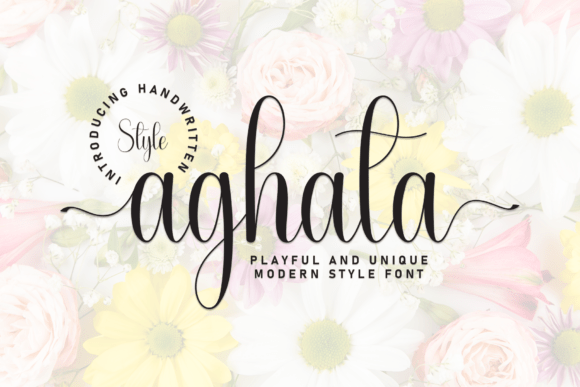
What immediately sets Aghata apart is its personality. This isn’t a rigid, formal calligraphy script. Instead, it embodies a casual, friendly energy. The letterforms have a natural, hand-lettered quality with subtle variations that prevent them from looking overly digitized. This "sprightly vibe" makes it exceptionally effective for projects aiming for a welcoming, approachable, and slightly whimsical feel. Think of the hand-written note on a gift, the chalkboard menu at a cozy café, or the playful branding of a children's boutique—this is the world Aghata inhabits.
Visually, it strikes a careful balance. It’s expressive enough to be interesting but remains highly legible, a critical factor for any premium font intended for real-world use. The script font style flows smoothly, with connections that feel intuitive rather than forced. This makes it a fantastic display font for headlines and logos where you want to make an immediate emotional impact. Its cheerful nuances ensure it doesn’t veer into overly serious or formal territory, making it a perfect fit for brands and creators who want to showcase their friendly, human side.
From Brand Identity to Social Media: Practical Applications
The true value of a creative font like Aghata lies in its versatility. It’s a design asset that can unify the look and feel of a project across multiple touchpoints. For small business owners and entrepreneurs, building a cohesive brand identity is paramount, and typography is a cornerstone of that effort.
- Logo Design & Branding: Aghata shines in logo design for businesses that prioritize approachability. A local bakery, a handmade jewelry shop, a wellness coach, or a family-run café could use it to create a logo that feels personal and trustworthy. It helps build immediate brand recognition through its unique, handwritten character.
- Packaging Design: On product packaging, this font can tell a story of craftsmanship and care. It’s ideal for labels on artisanal goods, cosmetics, gourmet foods, or any product where a handmade touch adds perceived value.
- Print & Digital Collateral: From wedding invitations and greeting cards to event posters and thank-you notes, Aghata excels in print materials. Digitally, it’s a powerhouse for social media graphics, creating eye-catching quotes, Instagram Stories, and Facebook posts that feel personal and engaging. It can also add personality to blogs and websites, particularly in headers, pull quotes, or call-to-action buttons.
- Marketing & Merchandise: In marketing assets like email headers or promotional flyers, it can break through the noise of generic sans-serifs. For merchandise like tote bags, mugs, or t-shirts, its casual style translates perfectly, offering designs that people love to wear and use.
Pairing Aghata with Other Typefaces
A common question with any display font is how to pair it. The goal is to create contrast and hierarchy without clashing. Aghata, as a handwritten font, pairs beautifully with clean, simple typefaces that provide balance and ensure readability for body text.
For a classic and elegant combination, try pairing it with a traditional serif font like Georgia or a modern serif like Playfair Display. The serif’s structure provides a stable foundation, allowing Aghata’s playful curves to stand out. This pairing works wonderfully for editorial design, elegant wedding suites, or boutique branding.
For a more contemporary, clean look, combine Aghata with a geometric or humanist sans serif font like Montserrat, Lato, or Open Sans. This contrast is sharp and modern, making it excellent for web design, social media graphics, and packaging design where clarity is key. The sans serif handles the informational text, while Aghata delivers the emotional punch in headlines or accents.
A practical tip: Always test your font pairings in context. Create a mock-up of your project—a social media post, a website hero section, a product label—to see how the fonts interact. Check for visual harmony and, most importantly, that the body text remains easy to read at various sizes.
Maximizing Its Impact in Your Projects
To get the most out of Aghata, consider these practical design principles. First, review the full character set. A well-crafted typeface often includes stylistic alternates, ligatures, and swashes that can add extra flair. Experimenting with these features allows you to customize the look and avoid a repetitive feel, especially in logos or display text.
Second, mind the readability. While Aghata is designed for legibility, handwritten fonts are generally best used for shorter text blocks—headlines, subheadings, pull quotes, and logos. For longer paragraphs of body copy, always opt for a highly readable serif or sans serif font. Using Aghata sparingly as an accent ensures its charm doesn’t compromise the user experience.
Finally, understand the licensing. If you’re using Aghata for a client project, merchandise for sale, or a commercial digital product, ensure you have the correct commercial font license. This is a non-negotiable part of professional practice and protects both you and your client. Most reputable font foundries offer clear licensing terms for different use cases.
In the end, choosing a font is about more than just aesthetics; it’s about communication. Aghata communicates warmth, creativity, and a personal touch. It’s a versatile tool in the modern designer’s toolkit, capable of elevating everything from a startup’s first logo to a seasoned marketer’s latest campaign. By understanding its strengths and applying it thoughtfully, you can harness its natural charm to create visuals that are not only beautiful but also genuinely connect with your audience.