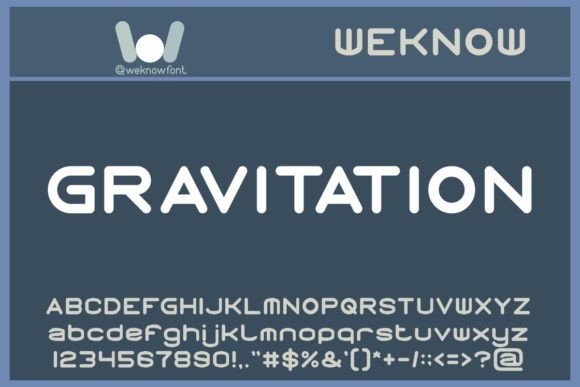
Gravitation Font: Your Secret Weapon for Modern Branding
There's a moment in every creative project where you realize the typography isn't just filling space—it's doing the heavy lifting. You've nailed the concept, the colors feel right, but something's off. More often than not, the font is the culprit. It's either too generic, too fussy, or it just doesn't carry the right weight for your brand's voice. This is where a typeface like Gravitation enters the conversation. It's not trying to be everything; instead, it offers a clean, confident, and modern foundation that lets your actual message shine through without visual clutter.
Why a Basic Sans Serif is Anything But Boring
Let's be honest, the term "basic sans serif" might not sound thrilling at first. But in the world of design, basic often means versatile, reliable, and timeless. Think of the most enduring brands in tech, fashion, or lifestyle—they frequently lean on sans serif fonts for their primary identity. Gravitation embodies this principle. Its letterforms are constructed with clarity and balance, avoiding trendy quirks that might date your designs in a year. The appeal lies in its neutrality with personality. It's professional enough for a corporate annual report yet modern enough for a streetwear label's Instagram grid. This adaptability is its superpower, making it a practical tool for anyone building a visual identity from the ground up.
From Screen to Shelf: Practical Applications That Work
Where does Gravitation actually fit into your workflow? The better question is where doesn't it fit. For logo design and brand identity, it provides a solid anchor. You can pair it with a more expressive script or serif for accents, but the core name in Gravitation will remain legible and strong across every medium—from a tiny favicon to a massive billboard.
Consider these real-world scenarios:
- Packaging Design: On a coffee bag or a cosmetic box, its clean lines ensure product names and essential information are instantly readable, even from a distance.
- Social Media & Websites: Consistency is key online. Using Gravitation for headlines, subheads, and body text on your site creates a seamless experience. It translates beautifully to Instagram stories, YouTube thumbnails, and Pinterest pins, maintaining clarity on both small and large screens.
- Print Materials: Whether it's a business card, a flyer for a local event, or a magazine layout, the font's even weight and spacing make for comfortable reading in longer text blocks.
- Merchandise & Apparel: Think about t-shirt designs or tote bags. A bold weight of Gravitation can create a striking typographic statement that's easy to read and looks sharp when printed or embroidered.
This font acts as a visual workhorse, handling the mundane tasks with grace so you can focus your creative energy on more expressive elements of a project.
Choosing Your Style: More Than Just One Weight
A major advantage of a well-crafted premium font family is the range of styles included. Gravitation typically comes with a spectrum of weights—from light and regular for body text to bold and black for impactful headlines. This allows you to create hierarchy and emphasis within a single typeface family, ensuring everything looks related. Before you start a project, take a moment to review the included styles. You might find that the "Medium" weight is perfect for your website's navigation menu, while the "Semi-Bold" is ideal for call-to-action buttons. This built-in flexibility is invaluable for maintaining visual consistency across all your design assets.
Pairing Fonts Without the Headache
One of the most common questions designers and entrepreneurs ask is, "What font goes with this?" Gravitation's neutral character makes it an excellent team player. It won't fight for attention with a more decorative script font or a classic serif font. For a dynamic contrast, try pairing it with an elegant serif for headlines in a wedding invitation or a bold display font for a music festival poster. The key is to test pairings in context. Mock up your logo, create a sample social media post, or set a paragraph of body text. Does the combination feel balanced? Does each font play its intended role? Gravitation often works best as the reliable, readable counterpart to a more stylistic partner.
Readability is Non-Negotiable
No matter how cool a font looks, if people struggle to read it, you've lost them. This is where a clean sans serif font like Gravitation excels. Its open letterforms and generous spacing are designed for legibility at various sizes. This is critical for web design where text must be clear on retina displays and smaller mobile screens. It's equally important for editorial design in books or reports, where reader comfort over long passages is paramount. Always test your chosen weight and size in the final medium—what looks good on your design screen might need adjustment in print or on a live website.
Making It Official: Licensing for Commercial Use
If you're using a font for a client project, a product you sell, or any commercial venture, you need to ensure you have the correct license. This is a crucial step many overlook. A commercial font like Gravitation will come with a license that outlines permissible uses. This typically covers logos, websites, merchandise, and digital products. Taking the time to understand this upfront protects you and your client legally. It’s a small but professional detail that separates hobbyists from serious practitioners.
Ultimately, selecting a typeface is a strategic decision. It’s not just about what looks pretty; it’s about what communicates the right feeling and functions reliably across your entire ecosystem. Gravitation offers that rare combination of aesthetic appeal and practical robustness. It won’t make your designs for you, but it will provide a stable, professional, and adaptable framework upon which you can build a compelling visual world for your brand, your client, or your next creative project.