Camellia: The Sweet, Friendly Font for Creative Projects
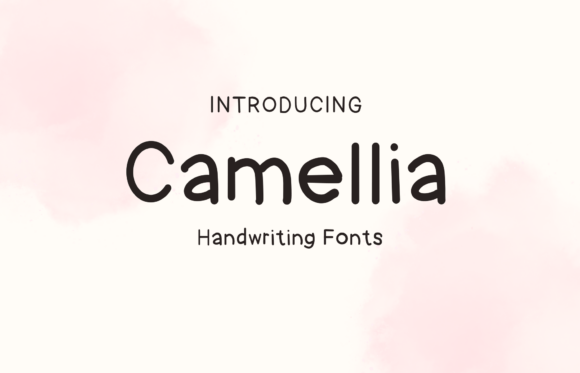
Imagine a font that feels like a warm smile. That's the immediate impression you get when you first see Camellia. This isn't a cold, corporate typeface or a serious, scholarly serif. It's a handwritten display font with a personality that's genuinely sweet and friendly. The gentle curves and casual flow of the letters create an instant sense of approachability and fun. For designers, entrepreneurs, and creators, finding a font like this is like discovering the perfect finishing touch—it has the power to inject a project with a specific, positive emotion right from the start. Whether you're designing a logo for a children's brand, a social media graphic for a bakery, or the cover of a playful e-book, Camellia offers that elusive charm that can make a design feel instantly more human and engaging.
Where a Playful Typeface Truly Shines
The real test of any creative asset is its versatility. A beautiful font that only works in one specific context is limiting. Camellia, however, demonstrates remarkable flexibility across a surprising range of applications, thanks to its clear, legible character shapes despite its decorative nature.
For branding and logo design, this font can be a game-changer for small businesses and startups. Think of a local coffee shop, a handmade jewelry brand, a children's boutique, or a freelance photographer. Using Camellia in a logo immediately communicates a brand identity that is personal, creative, and customer-focused. It tells your audience, "We're approachable and we care about the details." Paired with a simple sans-serif for body text, it creates a balanced and professional yet warm visual system.
In the world of packaging and merchandise, first impressions are everything. A product label, a shopping bag, or a thank-you card set with Camellia can elevate the unboxing experience. It adds a layer of care and craftsmanship that generic fonts lack. This is especially true for love shirts, tote bags, or mugs where a short, sweet phrase needs to stand out with personality. The font's fun touch makes it ideal for items meant to bring a smile.
Digital spaces are another natural home for this handwritten font. Social media graphics need to capture attention in a fast-scrolling feed. A post header or quote graphic set in Camellia can stop the scroll because it feels different from the standard corporate or overly sleek fonts. It works wonderfully for Instagram stories, Pinterest pins, and YouTube thumbnails. Similarly, for websites and blogs, especially those in lifestyle, crafts, parenting, or food niches, using Camellia for headings or pull quotes can break up text-heavy pages and guide the reader's eye with a friendly visual cue.
Beyond Aesthetics: Practical Design Considerations
Choosing a display font like Camellia isn't just about personal taste; it's a strategic decision that affects communication. The primary goal of any typography is to be read. While Camellia is highly legible for short bursts of text—like a headline, a title, or a single word on a poster—it's not designed for long paragraphs. This is a crucial point for readability. Its strength lies in its impact at a glance.
This is where the concept of font pairing becomes essential. A best practice is to use Camellia for your primary attention-grabbing elements and pair it with a clean, neutral typeface for your body copy. A simple sans serif font or a classic, readable serif font will provide the necessary contrast, ensuring your overall design is both beautiful and functional. For example, a wedding invitation might use Camellia for the couple's names and a timeless serif for the event details. This creates hierarchy and ensures all information is easily digestible.
Before committing to any premium font for a project, always test it. Type out the specific words and phrases you plan to use. Check the spacing (kerning) between tricky letter pairs. Does the font include the punctuation and symbols you need? Review the included styles—does it have a bold or italic version that could add further nuance? This due diligence prevents surprises during the final design stages and ensures your visual consistency is maintained from concept to completion.
Integrating Camellia into Your Creative Workflow
For the content creator or marketing professional, a font is more than just letters; it's a tool for storytelling and audience connection. Using a typeface like Camellia can help define the tone of a digital product, like a printable planner, a set of social media templates, or an online course workbook. It makes the material feel more curated and valuable, enhancing the user's experience and perception of your brand.
From an editorial design perspective, imagine a magazine feature on DIY crafts or a blog post about a family vacation. Using Camellia for pull quotes or section headers can inject a dose of personality that aligns perfectly with the content's subject matter. It breaks the monotony of standard typographic layouts and engages readers on a more emotional level. The same principle applies to posters and movie titles for indie projects, where a unique typeface can help establish a distinct mood—be it whimsical, romantic, or youthful.
Finally, for anyone building a brand identity, consistency is key. Once you choose a font like Camellia for your primary display use, use it consistently across all touchpoints: your website headers, your email newsletter titles, your product tags, and your packaging. This repetition builds recognition. Your audience will start to associate that friendly, handwritten style with your brand, strengthening their connection to it. Just be mindful of commercial licensing. Always ensure the font license you purchase covers all your intended uses, whether for client work, merchandise, or digital products, to avoid legal issues down the line.
In the end, Camellia is a delightful design asset that proves a creative font can be both beautiful and highly functional. It offers a practical solution for adding a human touch to a wide array of projects, helping creators communicate with warmth, personality, and a distinct visual voice. It’s a reminder that the right typographic choice can do more than present information—it can make people feel something.